Choosing where and how to live is one of the most important decisions a person or family can make. A property should do more than simply provide shelter; it should support daily routines, future goals, comfort, and overall wellbeing. With so many options available, it can sometimes feel difficult to determine which features truly matter most. Factors such as location, layout, accessibility, sustainability, and long-term affordability all play a major role in shaping the living experience.
Many buyers focus heavily on appearance or price at first, but a successful property choice involves much more than aesthetics alone. A thoughtfully selected property should align with lifestyle priorities, whether that means creating space for a growing family, supporting remote work, reducing commute times, or improving access to outdoor areas and community facilities.
It is also important to think ahead and consider how personal needs may evolve over time.
Modern Australian living increasingly emphasises flexibility, energy efficiency, and practical design. Buyers are becoming more conscious of how their environment affects comfort and long-term quality of life. Understanding how to balance these considerations can help create a more satisfying and sustainable living experience for years to come.
Understanding Your Lifestyle Needs
Before selecting a property, it is essential to clearly understand your current and future lifestyle requirements. Every household has different priorities, and identifying these early can help narrow down suitable options more effectively. Some families prioritise proximity to schools and parks, while others may value quiet surroundings, access to public transport, or space for entertaining guests.
Work arrangements also play an important role in determining what type of property is most suitable. The rise of remote and hybrid work has increased demand for flexible layouts that include dedicated office areas or quiet spaces for productivity. Likewise, outdoor living has become increasingly important for many Australians, particularly those who value gardening, recreation, or entertaining.
When evaluating home and land opportunities, buyers should consider how the property will function on a day-to-day basis rather than focusing only on visual appeal. A practical layout and convenient location can often provide greater long-term satisfaction than trend-driven design features alone.
Considering Location and Community
Location is one of the most influential factors in determining lifestyle quality and long-term property value. A well-positioned property can improve convenience, reduce stress, and support a healthier work-life balance. Buyers should evaluate not only the immediate surroundings but also the broader community and future development plans for the area.
Access to schools, healthcare facilities, shops, and transport infrastructure can significantly impact daily living. Commute times are another major consideration, as long travel distances can affect both personal time and overall wellbeing. Families with children may also prioritise access to recreational spaces, sporting facilities, and safe neighbourhood environments.
Community atmosphere should not be overlooked. Visiting the area at different times of day can help provide a clearer understanding of traffic levels, noise, and general activity. It may also be worthwhile to research planned infrastructure projects that could influence the area in the future.
Choosing the right location is about more than convenience alone. It is about finding an environment that supports the lifestyle you want both now and in the years ahead.
Thinking About Future Growth and Flexibility
Lifestyle needs rarely remain static. Families grow, careers change, and personal priorities evolve over time. Choosing a property with future flexibility in mind can help reduce the need for costly renovations or relocation later on.
Additional bedrooms, flexible living spaces, and adaptable outdoor areas can all support changing household requirements. Buyers should also consider whether the property has the potential for future modifications if needed. Even small details, such as available storage or parking space, can become increasingly important over time.
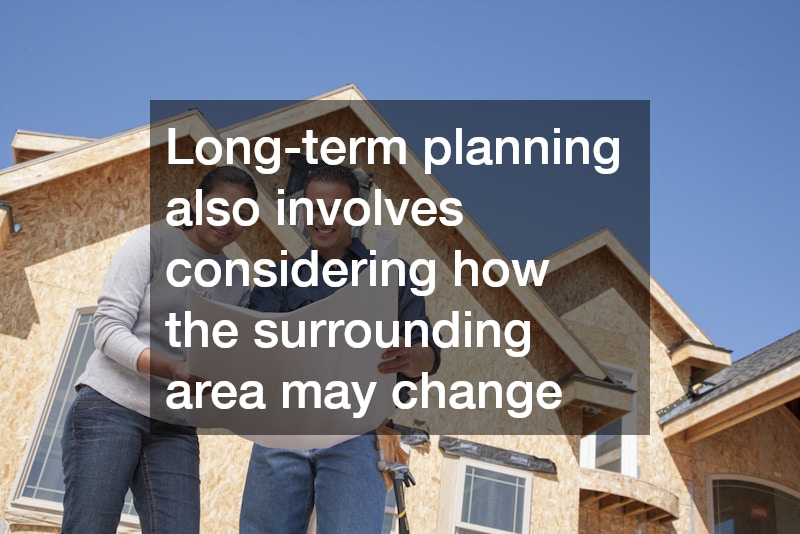
Long-term planning also involves considering how the surrounding area may change. Population growth, infrastructure expansion, and new community facilities can all affect property appeal and liveability in the future.
When choosing home and land, it is important to look beyond immediate needs and consider how the property will support long-term goals and evolving lifestyles.
Selecting the right property is about far more than choosing an attractive design or convenient location. It involves understanding how a property will support everyday living, future aspirations, and long-term comfort. Careful planning and thoughtful decision-making can help buyers avoid common mistakes and create a living environment that genuinely suits their lifestyle.
From location and community atmosphere to layout, sustainability, and affordability, every aspect of the decision contributes to the overall living experience. Taking the time to evaluate both practical and personal priorities can lead to a more satisfying outcome and greater confidence in the investment.
For many Australians, choosing the right home and land combination is an opportunity to create a space that reflects their values, routines, and future plans. A balanced approach that prioritises functionality, flexibility, and long-term wellbeing can help ensure that the property remains enjoyable and practical for years to come.
Ultimately, the best property choice is one that supports both present needs and future growth while providing comfort, stability, and a strong foundation for everyday life.