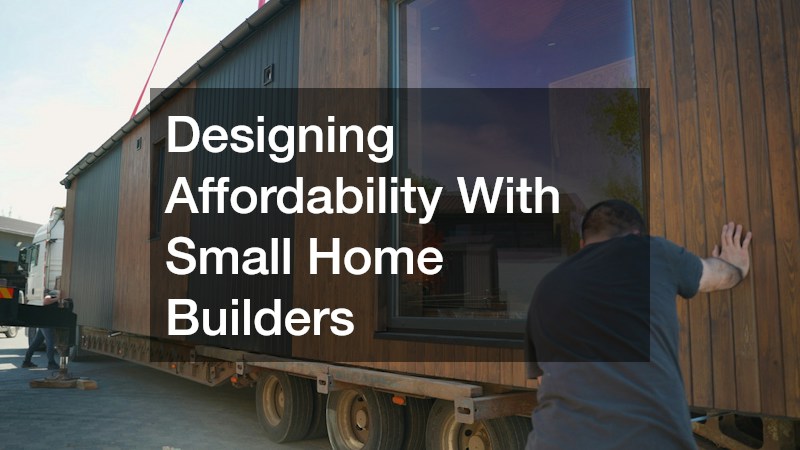
In an era where housing affordability is a pressing issue, small home builders play a crucial role in providing cost-effective solutions. It’s become crucial to explore key methodologies and focus on the most commonly discussed aspects of affordable home design.
How can small home builders achieve cost efficiency?
Small home builders are at the forefront of adopting modern building methods to cut down construction costs. Techniques such as prefabrication and modular construction speed up the building process, reducing labor and material costs.
These builders prioritize quality with their innovations, ensuring homes are not just affordable but also built to last. Furthermore, smaller construction crews are often more flexible, adapting quickly to changing economic conditions.
Efficiency in design and implementation helps in maintaining low overheads. Adopting techniques such as 3D printing for certain architectural elements further exemplifies this drive toward cost-effectiveness.
Material Sourcing Strategies
Strategic sourcing of materials is pivotal in minimizing construction expenses. Many small builders focus on local and recycled materials to cut down costs while ensuring sustainability.
Bulk purchasing creates opportunities for discounts, which supports reduced home prices. Additionally, the use of durable yet affordable materials like engineered timber and recycled steel ensures longevity without premium costs.
By maintaining strong supplier relationships, builders can navigate market fluctuations efficiently. Such strategies also facilitate adaptability to environmental considerations that align with modern sustainability standards.
What design features contribute to affordability?
Maximizing space through thoughtful design is critical in making small homes affordable. Implementing open floor plans and multi-functional spaces enhances livability while keeping construction costs in check.
Integrated furniture solutions, like built-in storage, create a spacious feel without expanding the home’s footprint. This approach allows homeowners to enjoy functional living areas without the additional expense of larger properties.
The use of vertical space is another method to enrich home functionality. These design strategies align affordability with aesthetic and practical appeal, drawing interest from a diverse range of buyers.
Energy-Efficient Solutions
Incorporating eco-friendly installations offers long-term savings and supports affordability in housing. Features like solar panels, energy-efficient windows, and enhanced insulation reduce utility costs significantly.
Implementing these solutions not only diminishes environmental impact but also increases property value. This balance between upfront investment and long-term economic benefits is crucial for both builders and homeowners.
The shift towards sustainable building practices is growing, reflecting broader environmental commitments. Energy-efficient designs ensure affordability by reducing ongoing operational costs for residents.
What are the challenges faced by small home builders in maintaining affordability?
Complying with regulatory standards often presents a financial burden for small builders. Adhering to a complex array of codes and permits can increase project timelines and costs.
Despite these challenges, small builders persist in finding innovative, compliant solutions. Their adaptability and local knowledge often enable them to efficiently manage regulatory landscapes.
Collaborations with local authorities and community stakeholders can help streamline processes. This cooperation reduces friction, paving the way for more effective affordable housing initiatives.
Market Demand and Material Costs
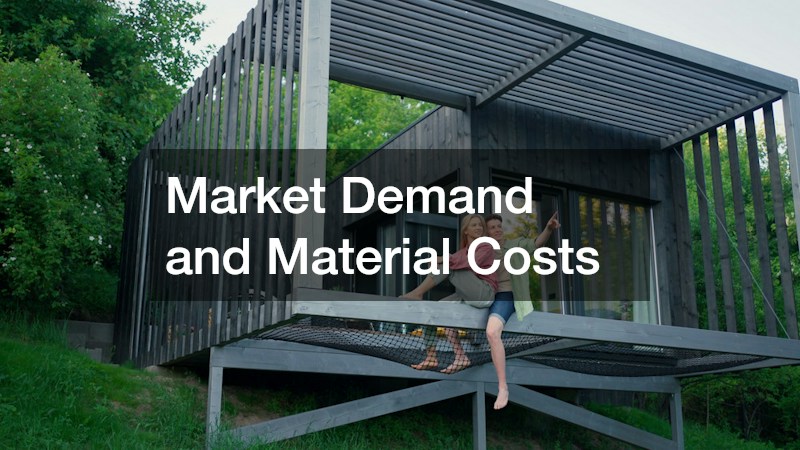
Fluctuations in market demand and material costs pose significant challenges to maintaining affordability. Sudden changes in prices can disrupt budget strategies, impacting builder profitability.
Despite these economic uncertainties, small builders often offer resilient pricing strategies to maintain buyer interest. Their ability to adapt to market conditions through flexible designs is a crucial advantage.
Building strong supplier relationships can mitigate the effects of volatile material pricing. Such alliances help in maintaining stable production costs, supporting the consistent delivery of affordable homes.
Small home builders are pivotal in tackling the affordability crisis through innovative design and strategic implementations. Despite facing numerous challenges, their commitment to cost efficiency and sustainable practices offers hope for affordable housing solutions in the future.